


Maritime Piracy Surges in 2025 as Singapore Straits Emerges as World’s Most Dangerous Waters
Maritime piracy and armed robbery at sea saw a significant increase in 2025, particularly affecting the world’s busiest shipping routes, according to the annual report of the International Maritime Bureau (IMB) of the International Chamber of Commerce. A total of 137 incidents against vessels were recorded, compared with 116 in 2024 and 120 in 2023, confirming a sustained upward trend in threats to global maritime security.
Although many of the incidents were classified as low-level, the report warns of a worrying escalation in violence, especially due to the increased use of firearms and bladed weapons. In 2025, 42 incidents involving firearms were reported, up from 26 the previous year, while in another 33 cases the attackers were armed with knives or other bladed weapons. The human impact was also significant, with 25 crew members kidnapped, more than double the number recorded in 2024.
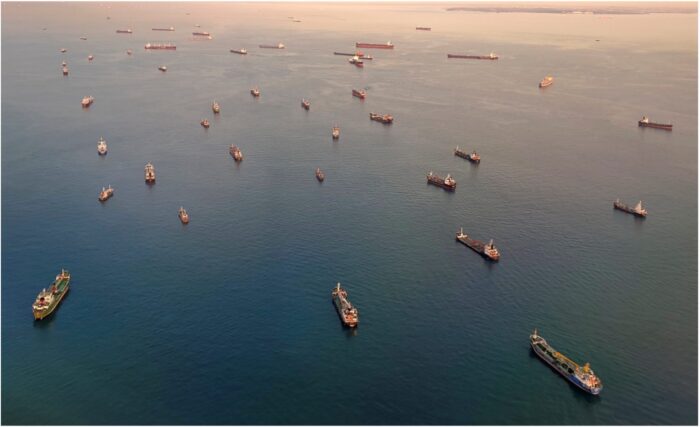
The Singapore Strait emerged as the main global hotspot for maritime insecurity. A total of 80 incidents were recorded in this area, nearly double the number reported in 2024, accounting for more than half of all maritime attacks reported worldwide. Beyond their frequency, the growing brutality of the attacks stood out: reports involving firearms rose from eight to 27 in a single year, with crew members taken hostage, threatened, injured, and even physically assaulted. The IMB stressed that the timely reporting of incidents is crucial to preventing further attacks and improving the response of authorities.
Despite this situation, the report noted a significant decline in incidents in the Singapore Strait during the second half of 2025, attributed to the arrest of two criminal gangs by the Indonesian Maritime Police in July, demonstrating the effectiveness of coordinated security actions.
In other regions, trends were mixed. Off the coast of Somalia, piracy remained relatively contained thanks to an international naval presence, although two attacks in November, far from the coastline, showed that Somali pirate groups still retain the ability to operate at long range. In both cases, well-prepared crews and rapid naval responses ensured the safety of the vessels and their crews.
The Gulf of Guinea recorded 21 incidents, slightly more than in 2024, and remained one of the most dangerous regions in terms of crew kidnappings, with 23 seafarers abducted in four separate incidents. By contrast, the Indonesian archipelago showed a positive trend, with incidents falling from 22 to 12 within a year.
Finally, the IMB and the International Chamber of Commerce warned that maritime trade is essential to the global economy and that the rise in piracy threatens not only seafarers, but also the stability of global supply chains and economies that depend on maritime transport. They therefore reiterated their call for masters and shipowners to report all actual, attempted, and suspicious incidents as a vital step toward ensuring adequate resource allocation and strengthening the fight against maritime piracy.
Comments are closed here.