


Container Shipping Drives Alternative-Fuel Orders Despite Newbuild Slump
In 2025, the maritime industry’s shift toward alternative fuels remained resilient despite a sharp decline in global newbuild orders. According to DNV, although total ship orders fell significantly compared to 2024, vessels powered by alternative fuels still accounted for 38% of the global orderbook by gross tonnage, driven mainly by the container shipping sector.
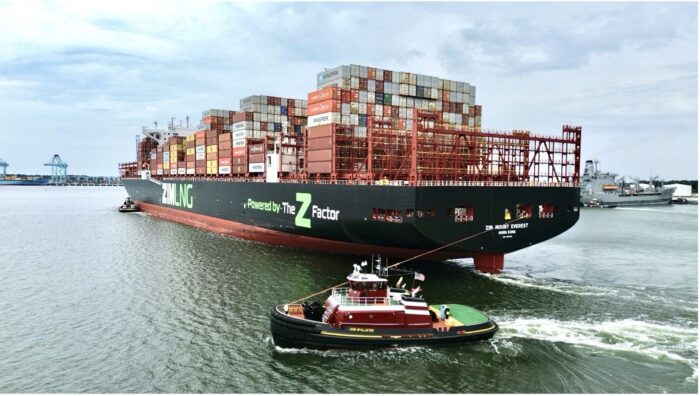
Container ships made up 68% of all new alternative-fuel orders and nearly half of total gross tonnage. LNG dominated the fuel mix within this segment, representing 58% of gross tonnage, followed by conventional fuels and methanol. This resilience reflects cargo owners’ emissions-reduction commitments, supported by established LNG infrastructure, clearer commercial viability, and customer demand in container shipping.
Outside the container segment, activity weakened considerably. Orders for LPG and ethane carriers fell sharply, car carrier orders collapsed, and bulkers, crude tankers, and chemical tankers also saw major declines as shipowners prioritized cost control over investments in alternative fuels. Overall, LNG-powered vessels led the market, while methanol, ammonia, and LPG saw limited uptake.
Despite the slowdown, continued investment in fueling infrastructure —particularly LNG bunkering vessels and emerging multi-fuel capabilities— signals growing confidence in LNG supply chains. DNV concludes that the industry is at a crossroads, with regulatory uncertainty and market pressures restraining investment in some segments, while cargo-owner commitments and established infrastructure sustain momentum in others.
Comments are closed here.